Showing posts with label permission marketing. Show all posts

Thursday, January 2, 2014

The anti-spam bylaw and why it's not that big of a deal

There's been a lot of hype lately (still) about the scary anti-spam bill and how it's going to kill email marketing, but that's not really the case. It's going to slow down the digital telemarketers but not the companies using email for CRM or CEM. Implied permission gives the marketer a lot of leeway.

Here's a snippit (and link to the full article) about how marketers and business are still able to survive in a world without spam..

Does Canada's Anti-Spam Law Really Stop Small Business From Using Email Marketing? No.

Thursday January 31, 2013
The criticism against Canada's anti-spam legislation extends beyond absurd claims about restrictions involving family and personal relationships. Indeed, much of the discussion has focused on the impact of the law on small and medium sized businesses. Barry Sookman catalogs a wide range of supposed concerns, most of which appear to envision a world in which the only way for a new business to develop a customer base is to obtain marketing lists and send unsolicited commercial emails to potential customers.

It is true that the starting point of the law is that businesses must have consent before sending commercial emails. Canada is moving to an opt-in world that gives consumers greater control over their in-boxes and will ultimately provide businesses with higher quality lists of people who genuinely want to receive their messages. Notwithstanding the default requirement for opt-in consent, however, the law contains numerous exceptions that are available to... [read the rest]

Thursday, January 31, 2013

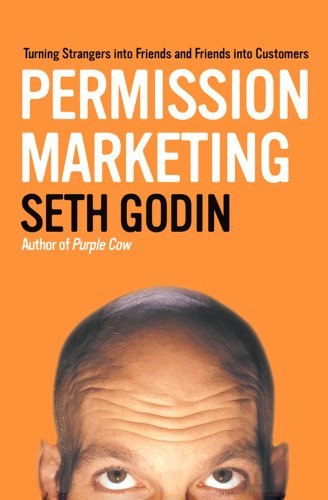
Seth's take on Permission Marketing

Permission marketing is the privilege (not the right) of delivering anticipated, personal and relevant messages to people who actually want to get them.

It recognizes the new power of the best consumers to ignore marketing. It realizes that treating people with respect is the best way to earn their attention.

Pay attention is a key phrase here, because permission marketers understand that when someone chooses to pay attention they are actually paying you with something precious. And there's no way they can get their attention back if they change their mind. Attention becomes an important asset, something to be valued, not wasted.

Real permission is different from presumed or legalistic permission. Just because you somehow get my email address doesn't mean you have permission. Just because I don't complain doesn't mean you have permission. Just because it's in the fine print of your privacy policy doesn't mean it's permission either.
Real permission works like this: if you... read the rest>>